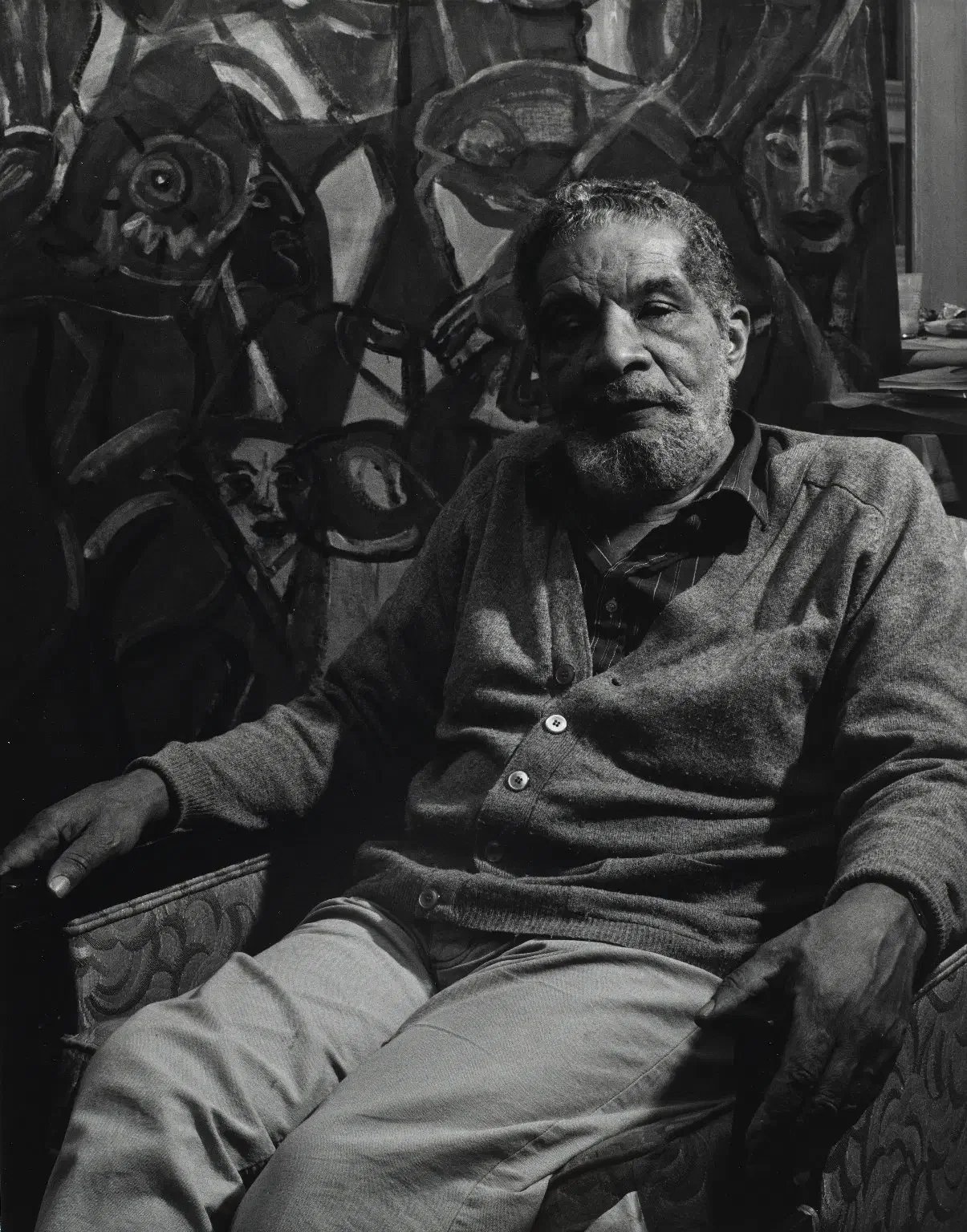
Selected Works
Each project begins with a fragment: an image, a recording, a gesture, a historical trace. Film becomes the instrument through which these fragments reorganise themselves into movement. What follows is a process of accumulation: through montage, sound, performance and time.
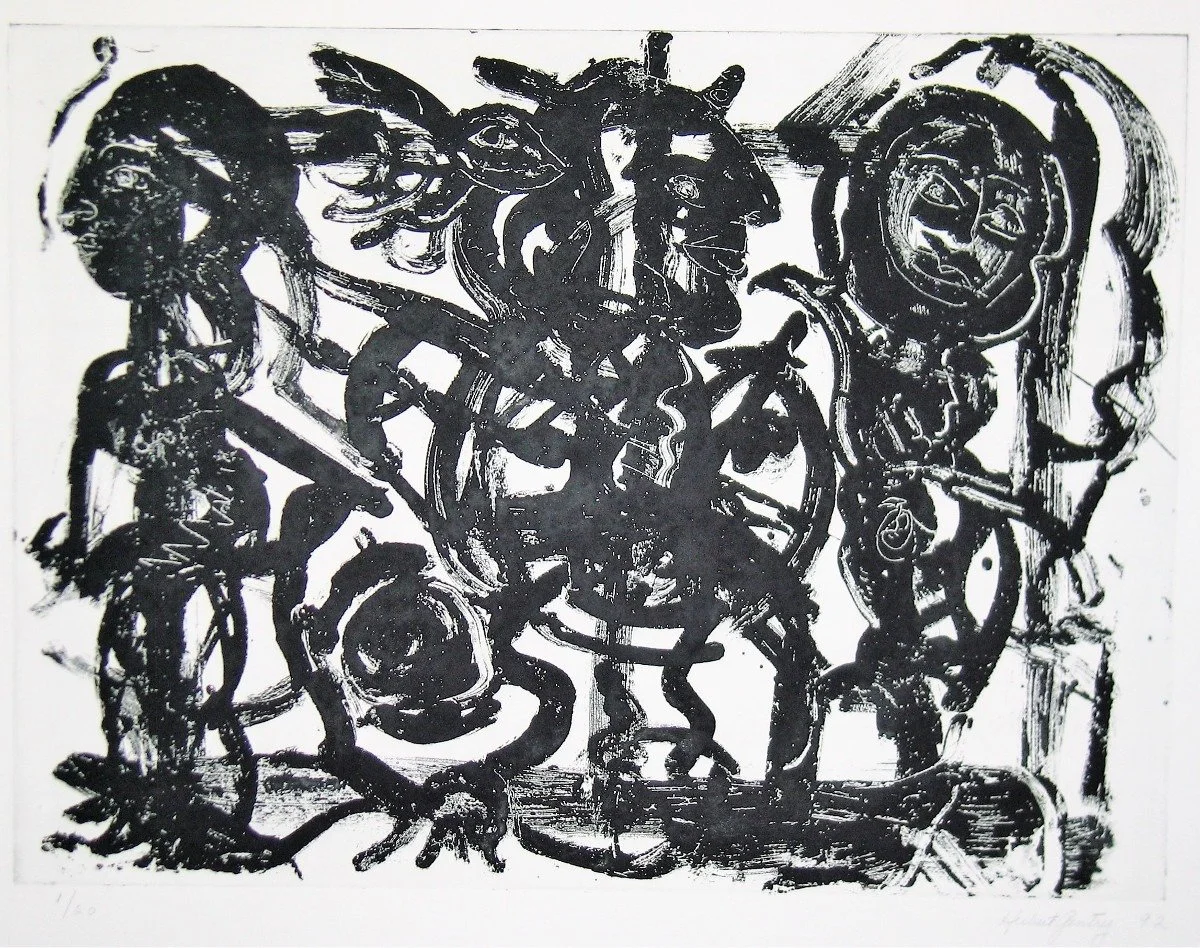
Gentry (2026)
FEATURE DOC | IN POST-PRODUCTION | DIR: CHRISTIAN ROSSIPAL & MADUBUKO DIAKITÉAncestral Voice, 1992
A feature documentary about the artist Herbert Gentry moving through archives, jazz, painting and postwar Black modernism — from Harlem to Paris, to turn-of-the-century Scandinavia.
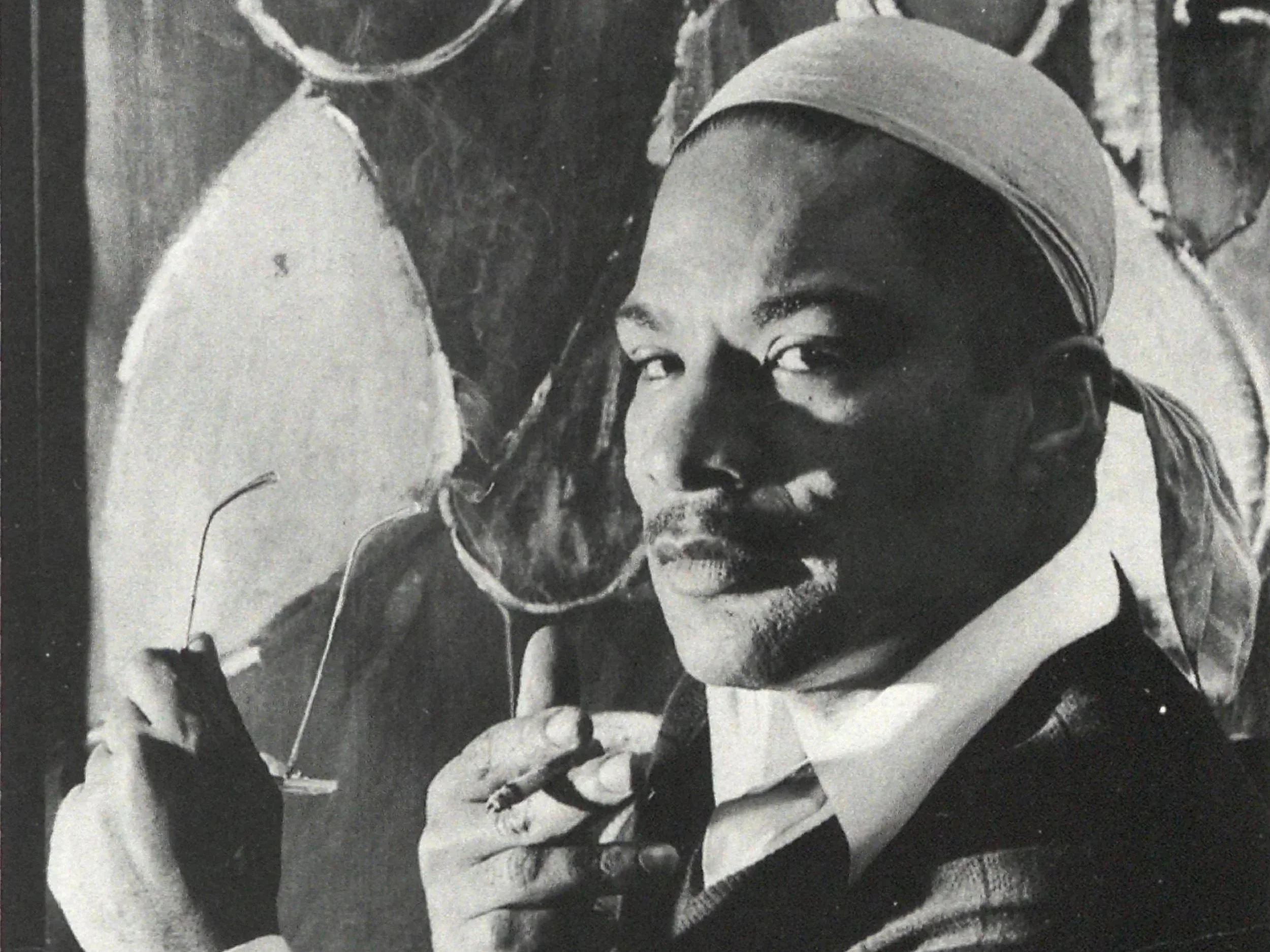
Synopsis
The African-American artist Herbert Gentry (b. 1919) remains overlooked and undervalued. While many of his closest peers — including Ed Clark and Romare Bearden — have been canonised as major figures of twentieth-century art, Gentry’s abstract expressionism is still largely confined to art historical circles. His extraordinary life story — spanning the Harlem Renaissance, postwar Paris, the Chelsea Hotel of the 1970s and turn-of-the-century Sweden — remains virtually unknown.
Through previously unseen archival material, this film seeks to restore Herbert Gentry’s place within public consciousness and position his work among the major artistic voices of the twentieth century, where it belong.
Background
Herbert Gentry was born in Pittsburgh in 1919 and died in Stockholm in 2003. He grew up in Harlem during the Renaissance of the 1920s and 30s alongside his mother, a dancer and actress connected to figures such as Josephine Baker, Langston Hughes, Paul Robeson and Duke Ellington.
After serving in World War II and participating in the liberation of France, Paris became Gentry’s second home. There he joined a community of African American expatriates and developed close relationships with James Baldwin, Richard Wright, Beauford Delaney and Romare Bearden. In Montparnasse, he founded both a jazz club and an art gallery frequented by international musicians, writers and cultural figures including Jean-Paul Sartre, Simone de Beauvoir and Orson Welles.
Throughout his life, Gentry remained active between Europe and the United States, living and working in cities such as Paris, Copenhagen, Gothenburg, Stockholm, Malmö and New York — where he was a long-term resident of the legendary Chelsea Hotel from 1969 until 2003.